
About Ted
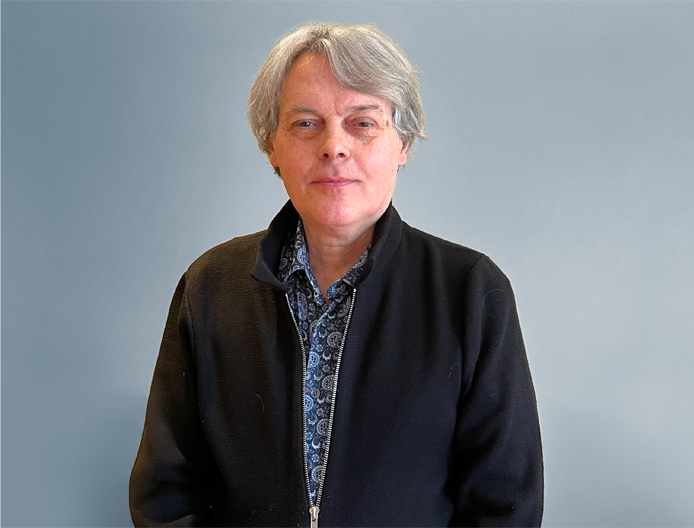
Ted H. Szymanski previously served as a professor at Columbia University in New York and McGill University in Montreal from 1987 to 1998. From 1999 to 2023, he was a faculty member at McMaster University in Canada, where he held the Bell Canada Chair in Data Communications from 2001 to 2011.
Earlier in his career, Ted led the Optical Architectures Project, a major initiative within a 10-year Canadian national research program funded by the Networks of Centres of Excellence of Canada. The project demonstrated a free-space intelligent optical backplane, developed in collaboration with industry leaders including Nortel Networks (now Ericsson), Newbridge Networks (now Nokia Bell Labs), and Lockheed Martin/Sanders, along with research partners at McGill University, McMaster University, the University of Toronto, and Heriot-Watt University in Edinburgh.
Ted is a co-inventor on a U.S. patent for the intelligent optical backplane with Prof. Scott Hinton, former Director of Photonic Switching at Bell Laboratories. His research group also demonstrated the first photonic FPGA (Field Programmable Gate Array), fabricated through the ARPA/Lucent Technologies foundry program.
In recent work, Ted introduced the Quantum Security Paradox, which argues that large-scale satellite-based Quantum Key Distribution (QKD) networks may contain critical vulnerabilities capable of leaking large numbers of secret keys. His research proposes that a Deterministic Internet architecture could strengthen the security of these systems.
Ted holds more than 20 U.S. patents related to deterministic networking, Software Defined Networking (SDN), and cybersecurity. These patents have been cited hundreds of times in global filings by leading technology companies including Amazon, AT&T, Cisco, Fujitsu, Huawei, IBM, Intel, Oracle, Samsung, Siemens, Qualcomm, VMware, and many others.
According to Stanford University’s global ranking of scientific impact, Ted is recognized among the top 2% of researchers worldwide in Networking and Telecommunications.